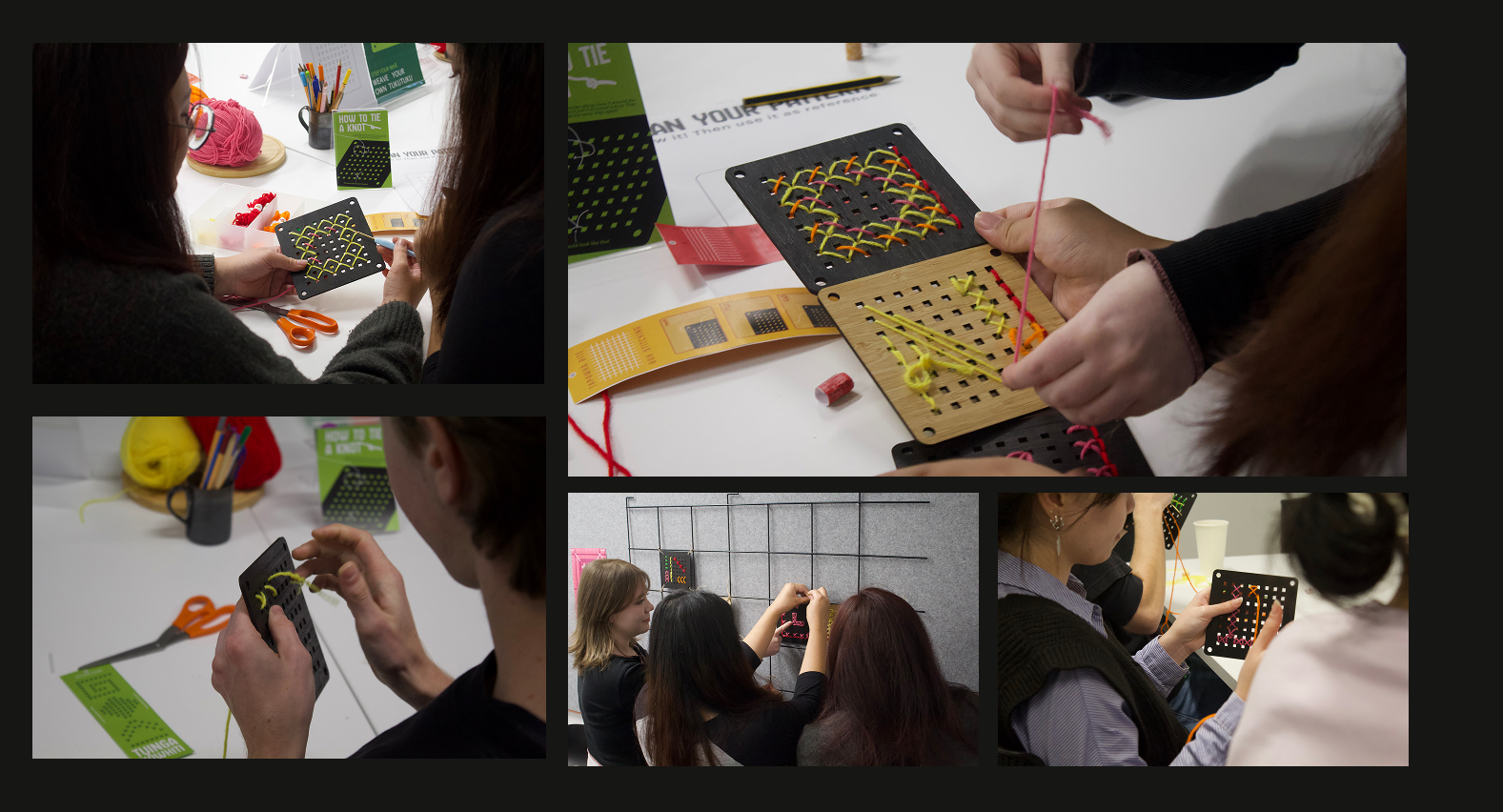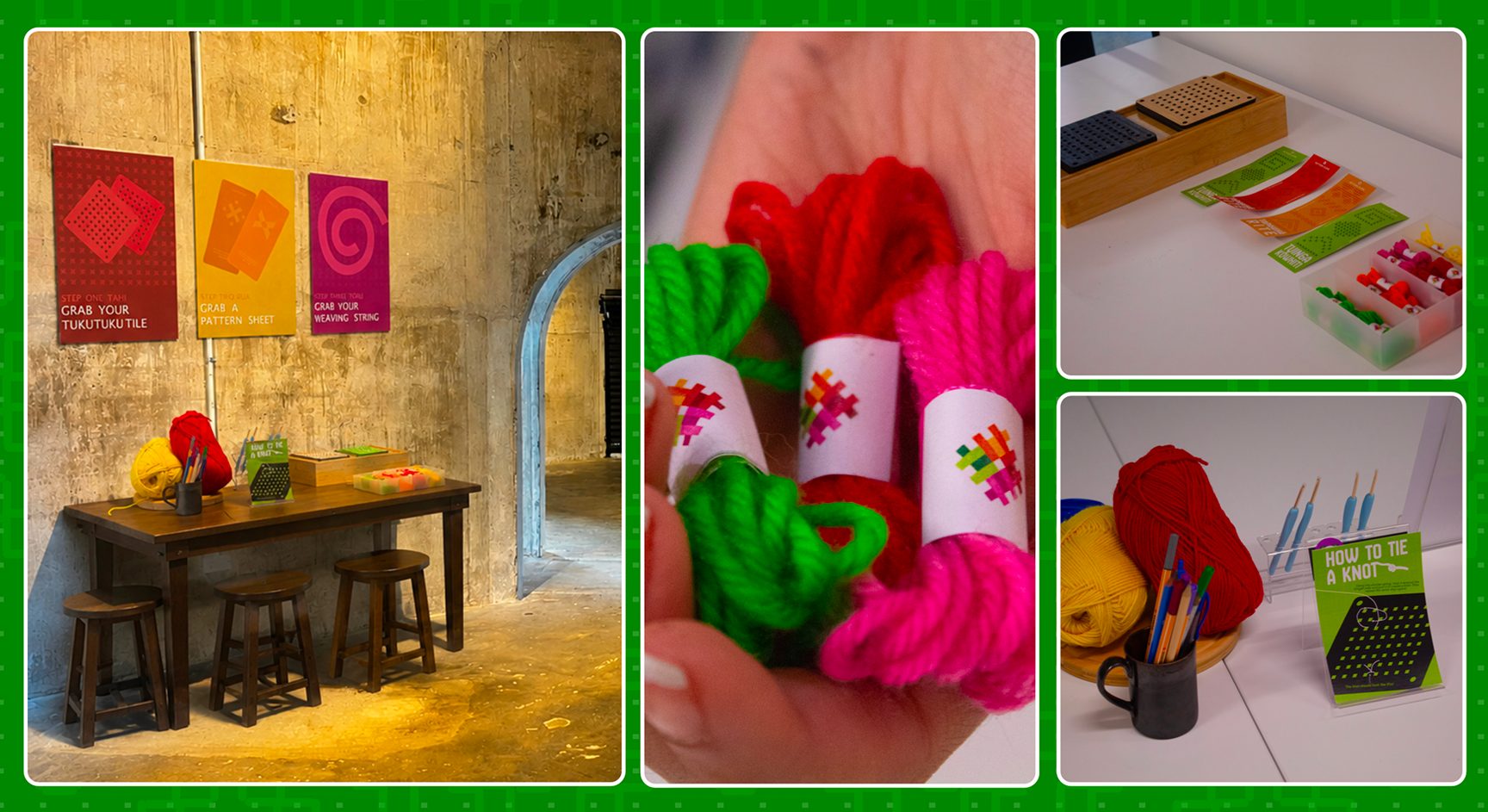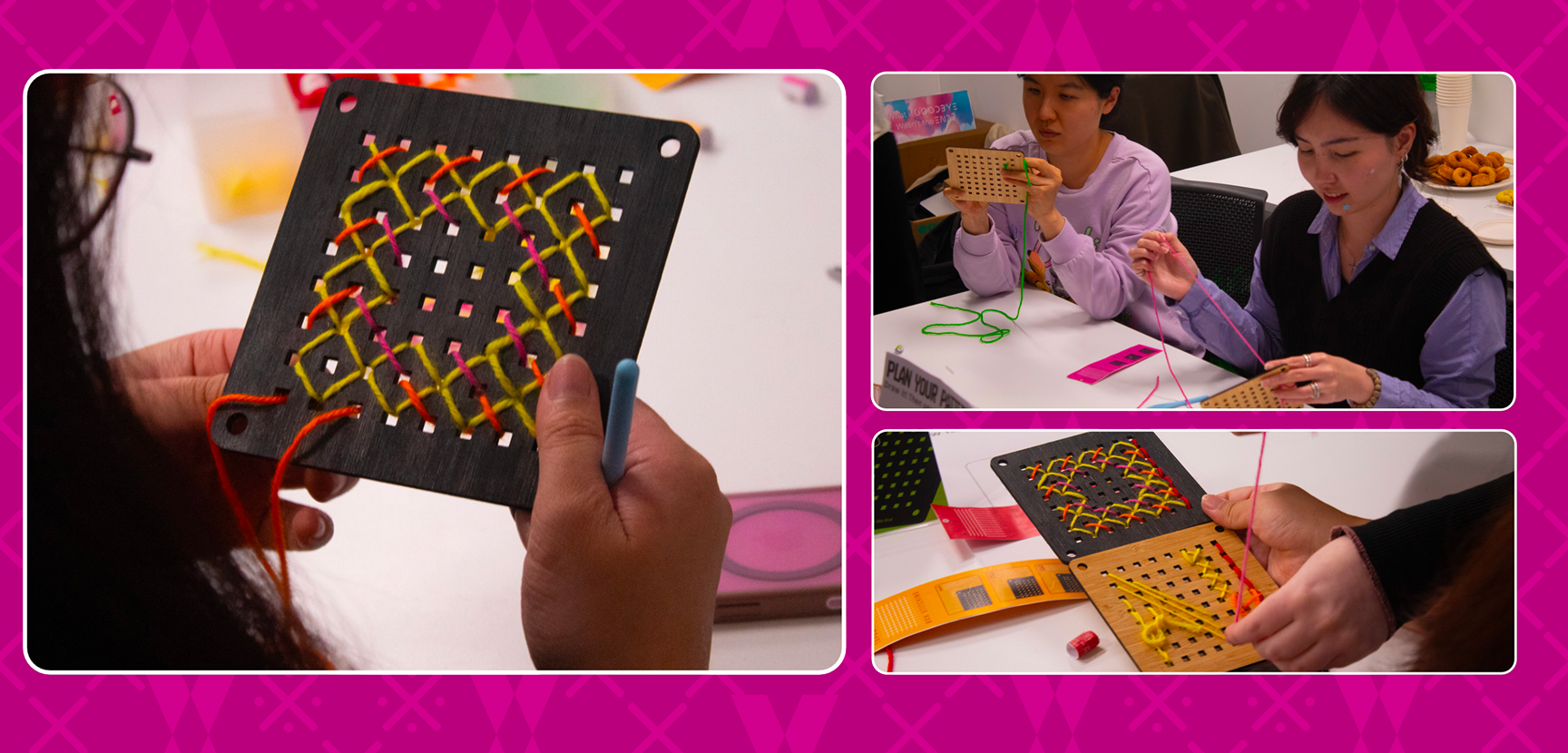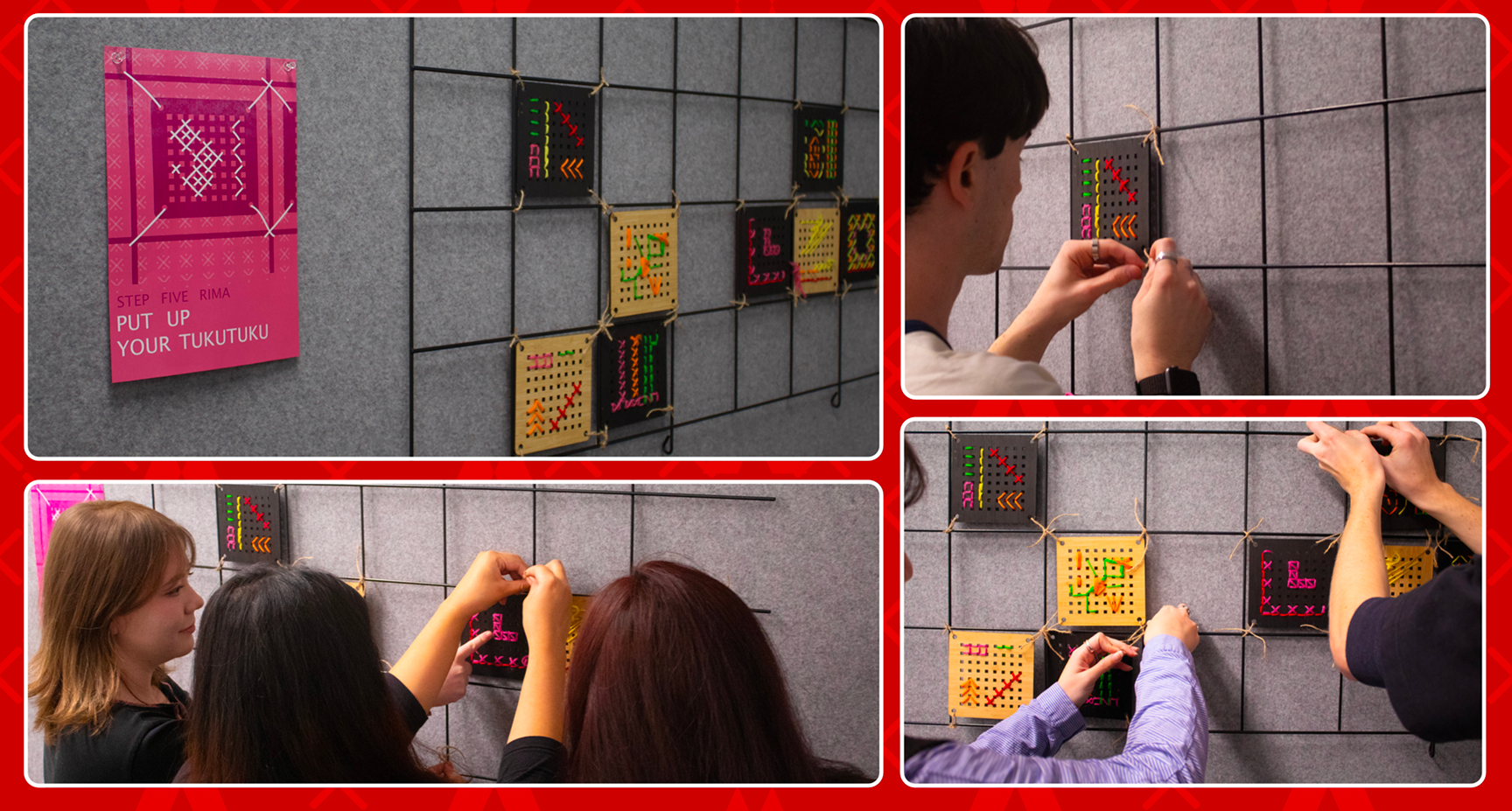

There is a disconnect between new visitors and the regeneration journey of Te Ara Tukutuku, where the whenua is often interpreted as a construction site rather than a place of renewal. Tukutuku is an hands on weaving workshop that invites people to create patterns, connect through shared making and contribute to a collective artwork that reflects the evolving identity of the place.
[ 2026 ]
Brief
The brief for this project was to Investigate and produce a creative project that explores a context, subject, and medium within the field of media design.
Research question
“How can an interactive experiences when applied with data humanism be used to understand the impact of sleep and spark self reflection?”
Approach
Findings
Research played a major role in shaping the foundations. Investigation into the effects of poor-quality sleep revealed how strongly sleep impacts focus, mood, productivity as well as overall wellbeing, particularly for teenagers and young adults aged 15–25 balancing study, work, and early mornings.
Concept ideation
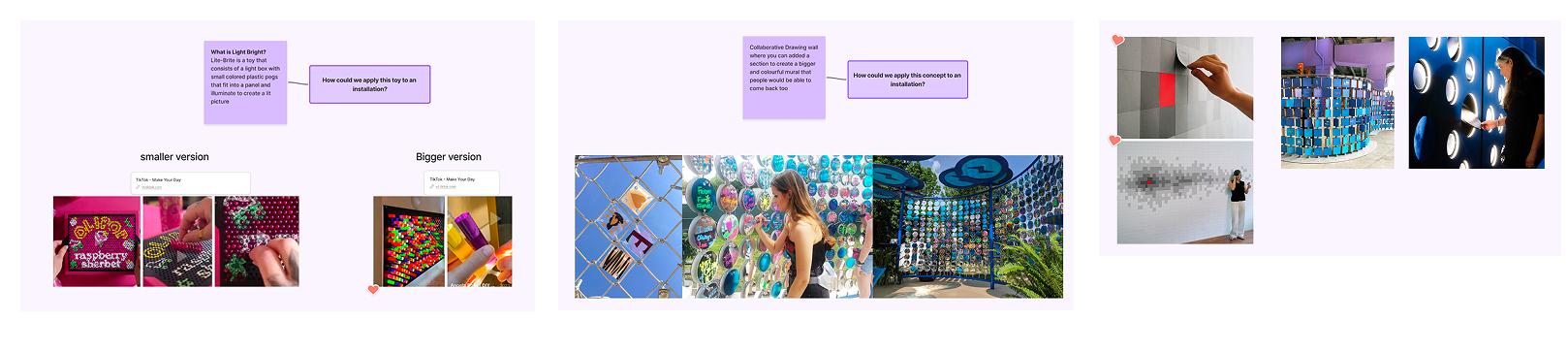
We initially brainstormed separately to come up with a diverse range of installations ideas and came back together to review and see each others directions. But i found it was to diverse in sense it was hard to connect or combine one another ideas.
Problem
New visitors to Te Ara Tukutuku are unaware of the regeneration process, misreading the whenua as a construction site. As a result, they are missing the phase in which a lasting connection to this place could be formed
Solution
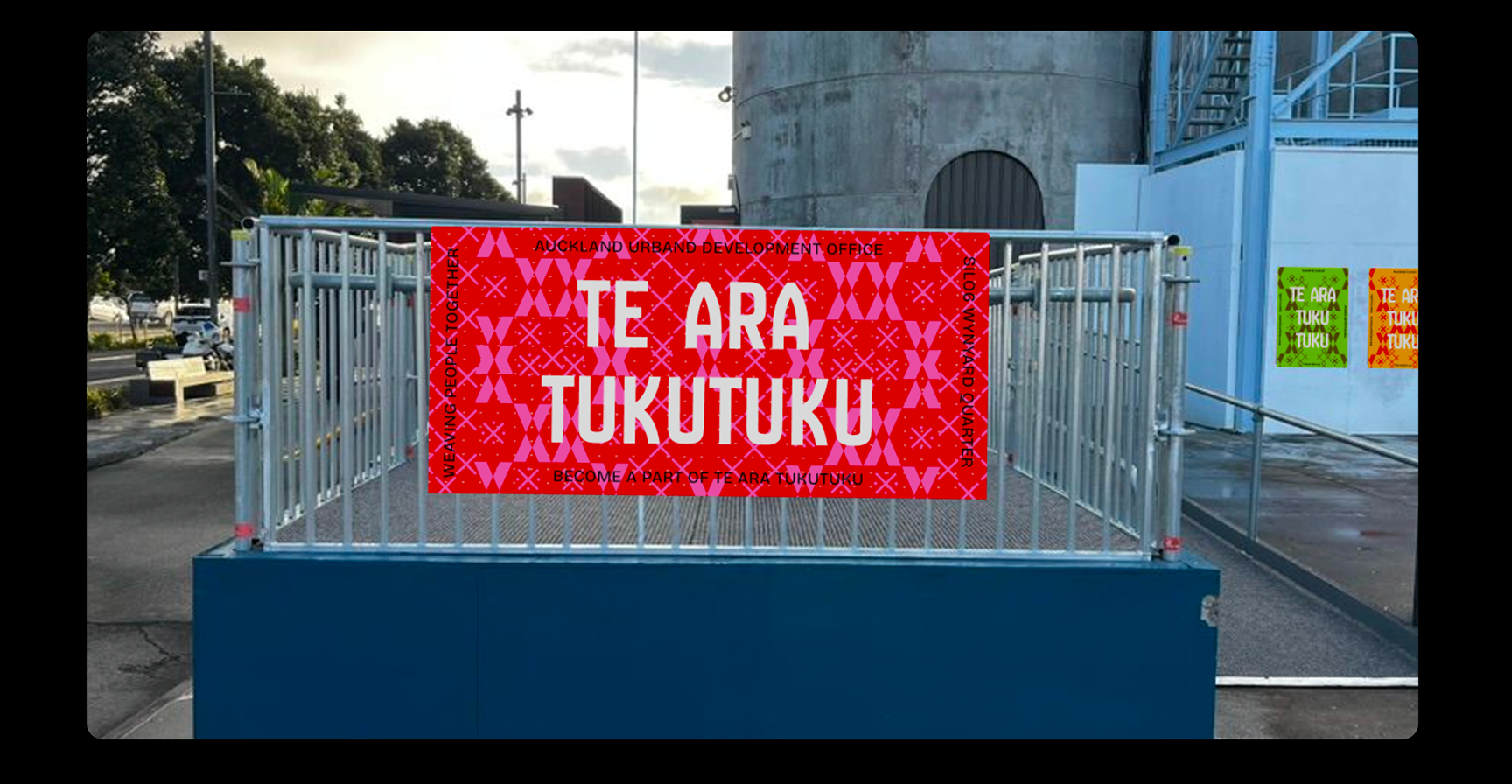
In the end we landed we found that there is a lack of awareness and understanding of the site. To address this challenge, our approach is to use bold and engaging visuals that attract people to the space and encourage connection through weaving people together.
Processes
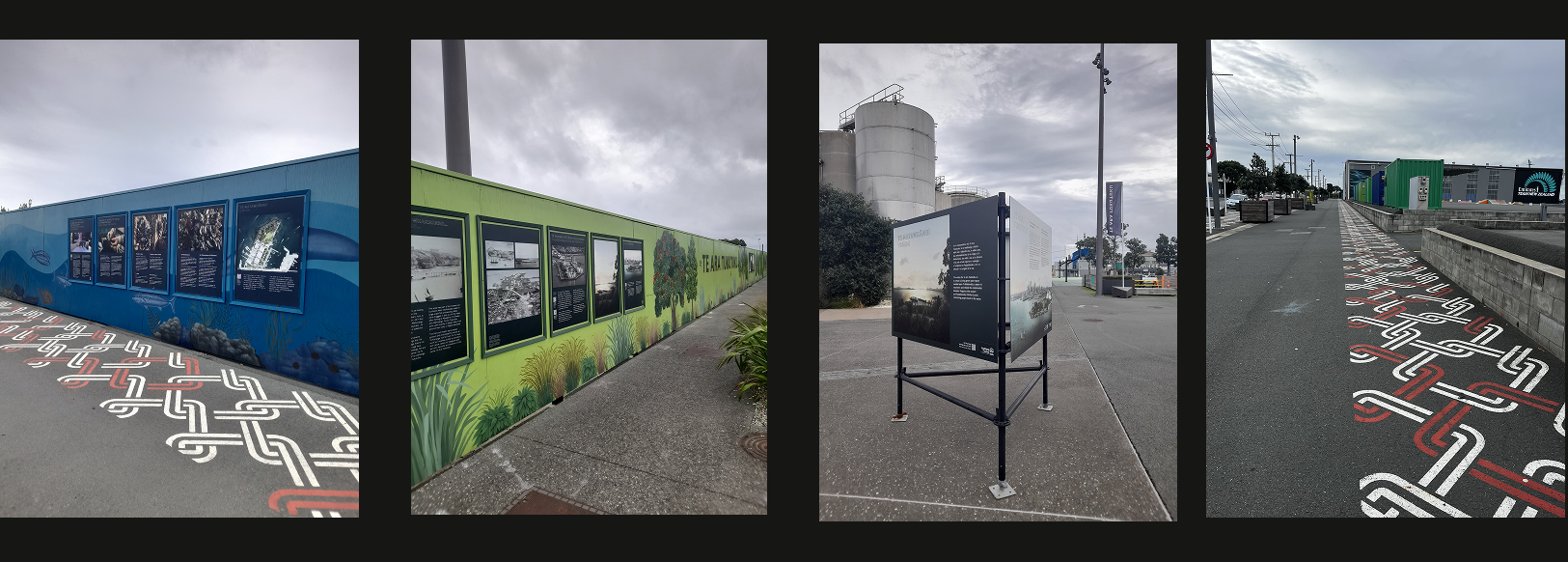
field review
We walked around the whole area, from basketball court to the Big Wheel. As well as the surrounded structure areas like the park and Silo. It helped us understand and gage what was already there in terms of info graphics related to Te Ara Tukutuku.
Overall from what we saw, although there was detailed information on the place and what was happening there wasn't much visual engagement/appeal to draw people into to want to read further.
REFINING CONCEPTS
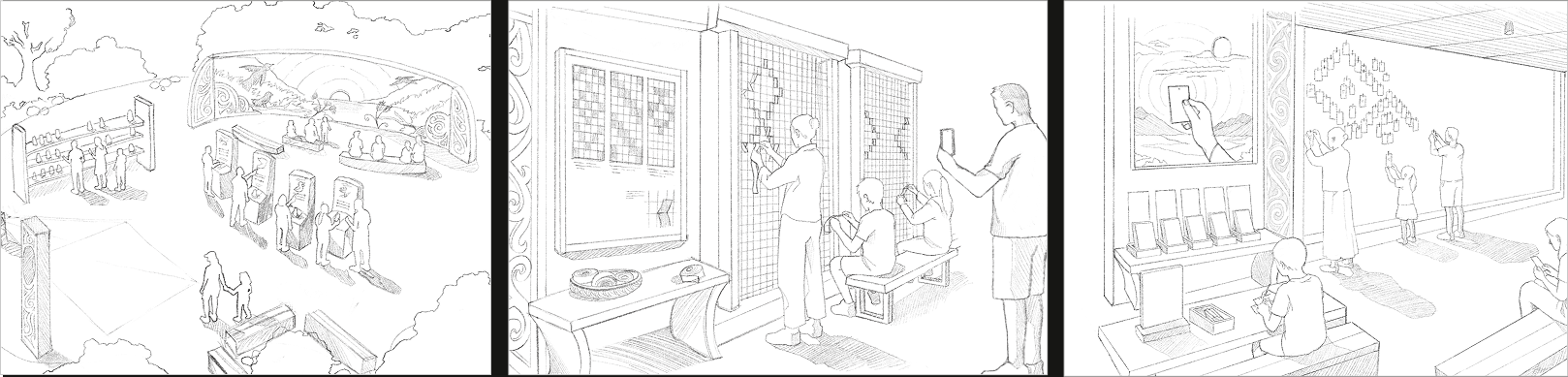
Although this concept aligned with the brief, the clients felt it was too digital, overly complex, and lacked a clear context for implementation. Instead, they preferred these sketches, as they better reflected the project's goals and appealed to a younger audience. The physical, interactive nature of the concepts encouraged participation, connection, and engagement with both the experience and the space.
VISUAL DIRECTION PATH
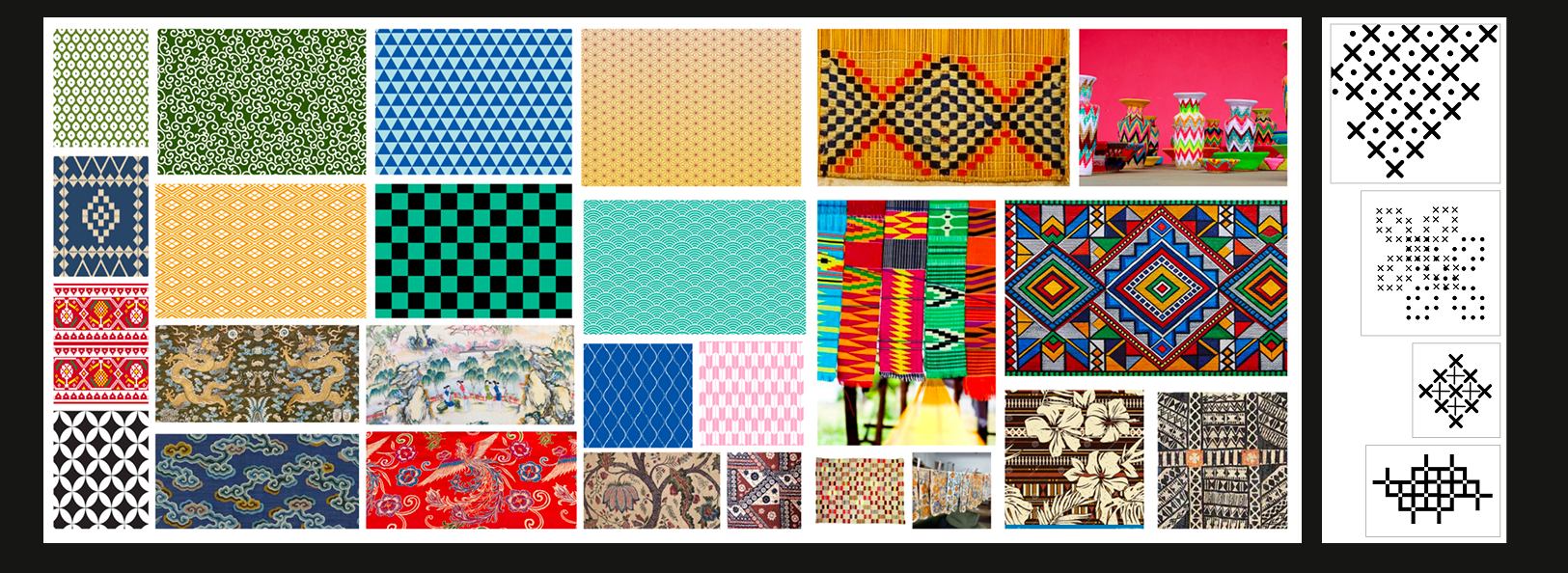
The visual direction was inspired by cultural patterns and their connection to history, reflecting the significance of Tukutuku. I developed a simplified pattern system using lines, connecting points, crosses, and overlapping forms for use across the project's collateral.
Spatial design
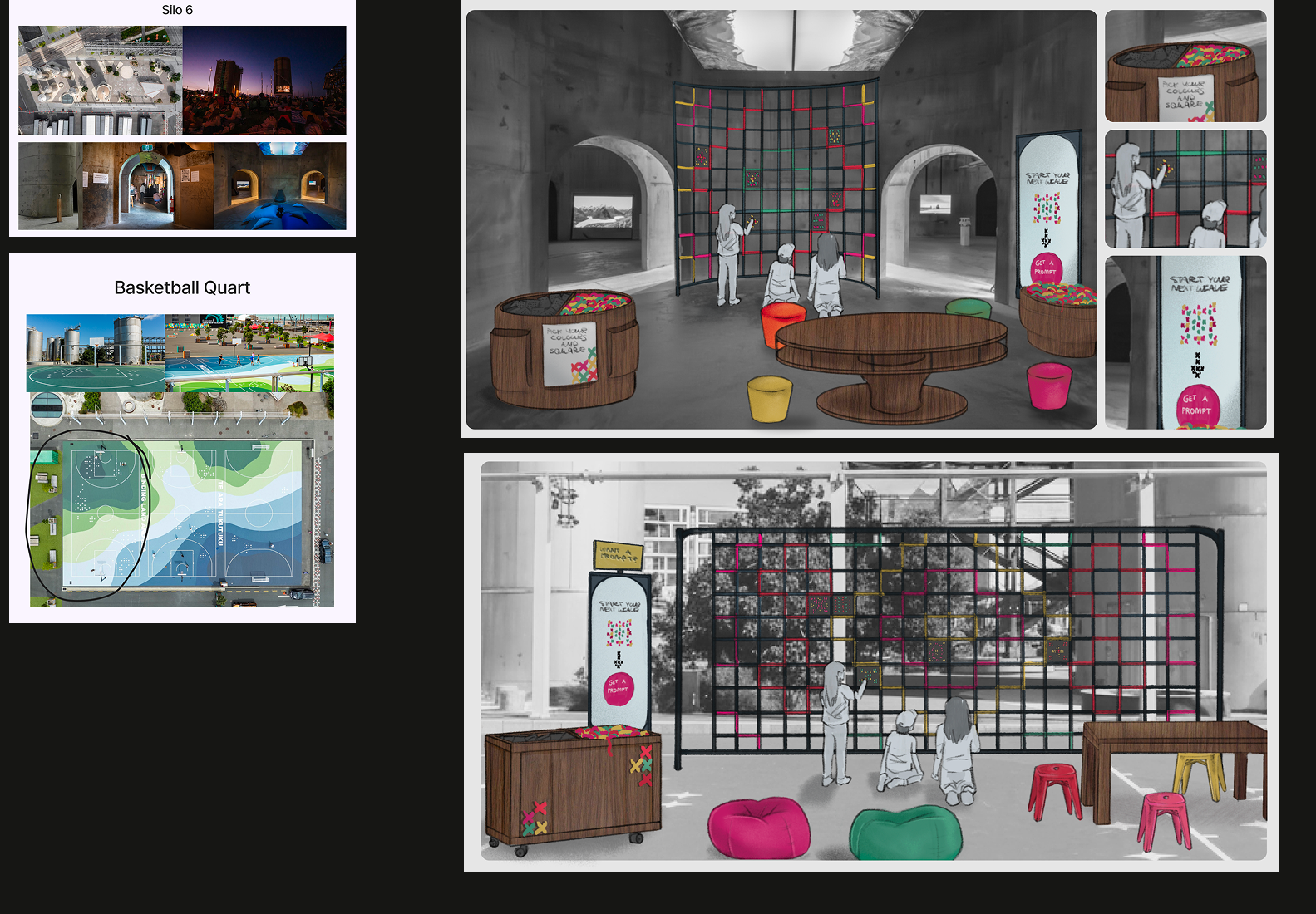
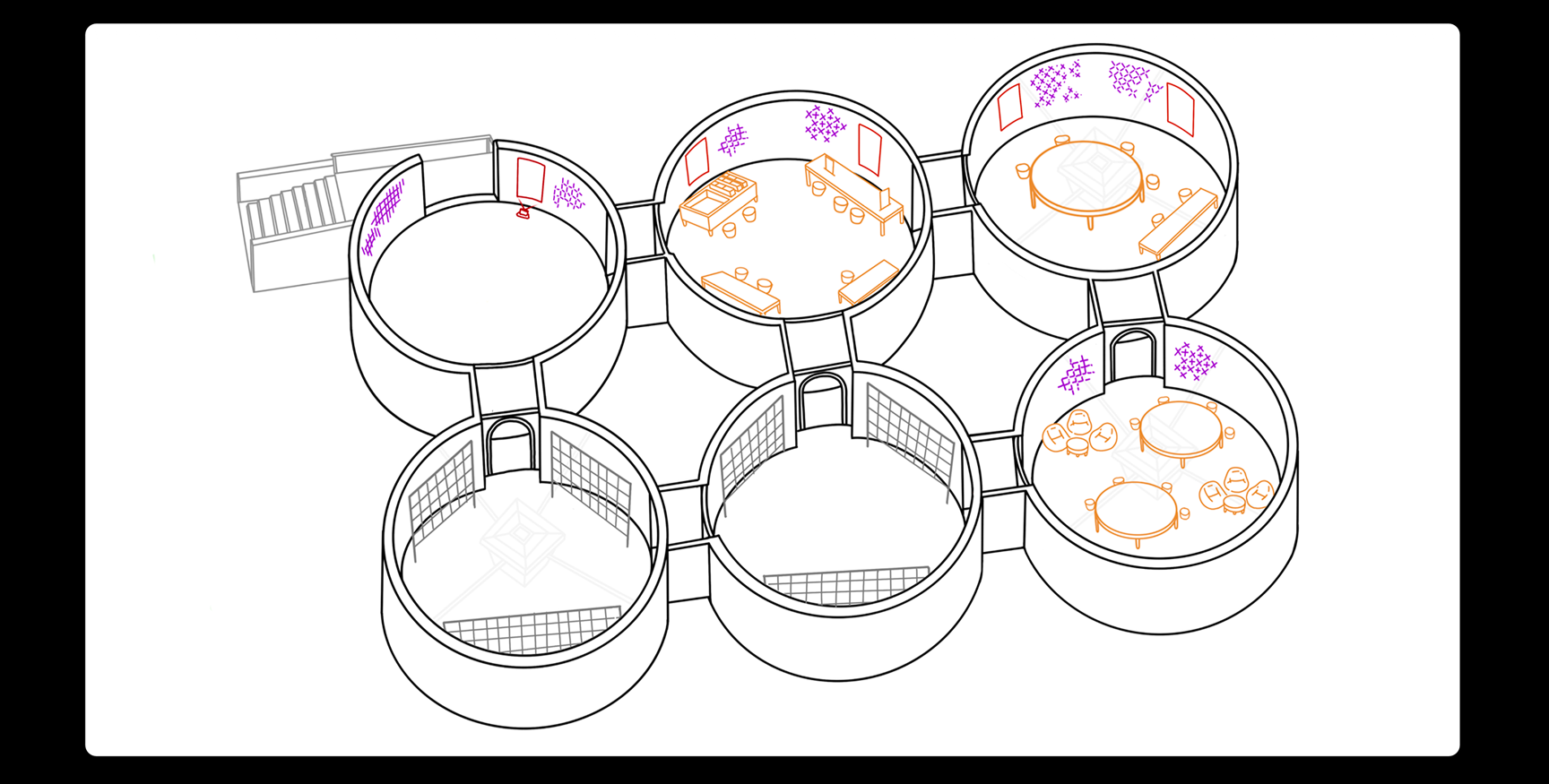
Following site reviews, we selected two potential workshop locations based on foot traffic and their capacity to accommodate large groups. Research into spatial and exhibition design informed the workshop layout and visitor flow.
I produced two spatial visualisations of the workshop, highlighting key interaction points. Following lecturer feedback, the Silo space was selected as the most feasible option.
WORKSHOP USER TEST
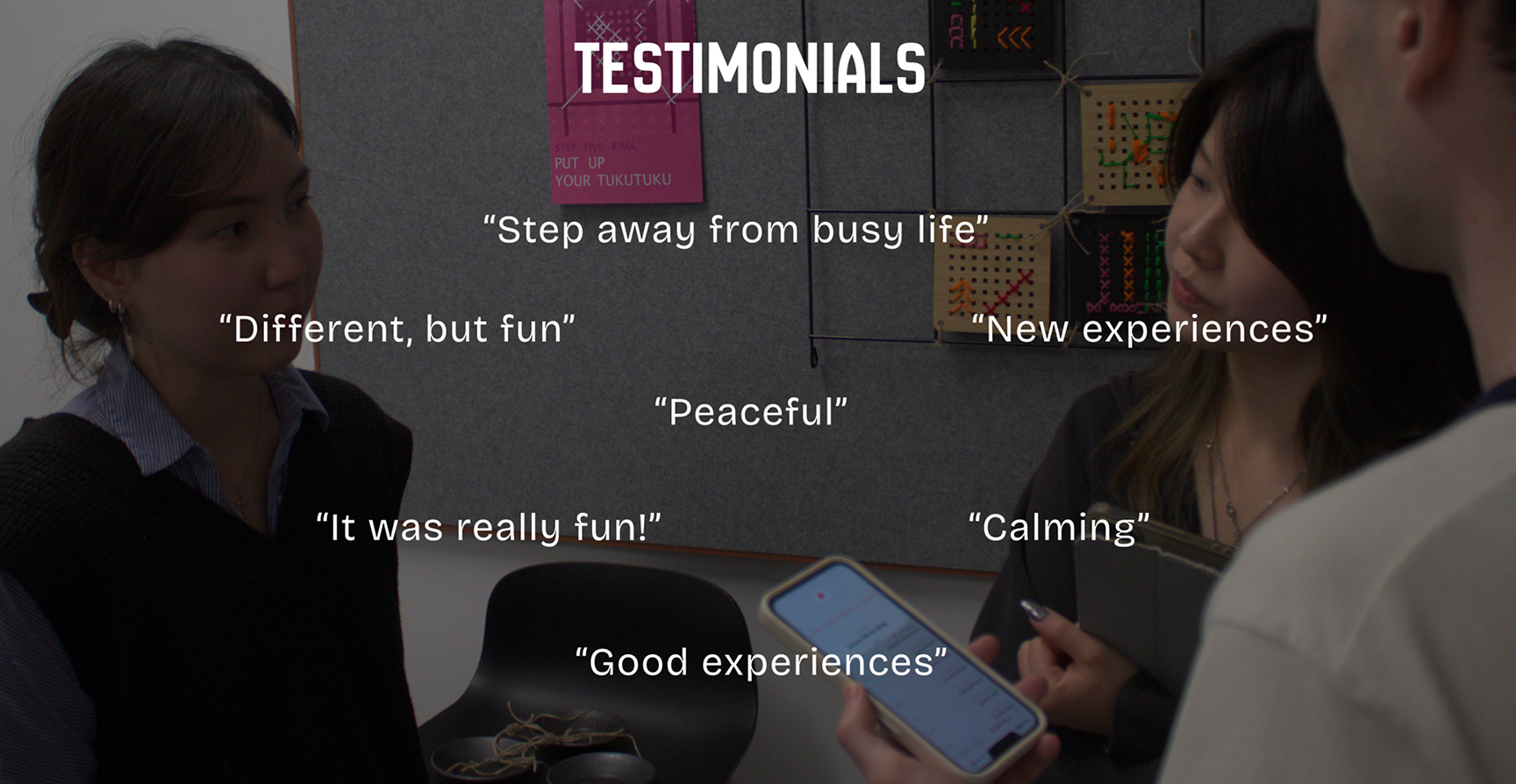
To evaluate the feasibility of the concept, we organised a workshop to test how the experience would play out in practice. The session was successful, it showed strong engagement and confirming that the workshop would work effectively.
Outcome